
Research Infrastructures
Research infrastructure
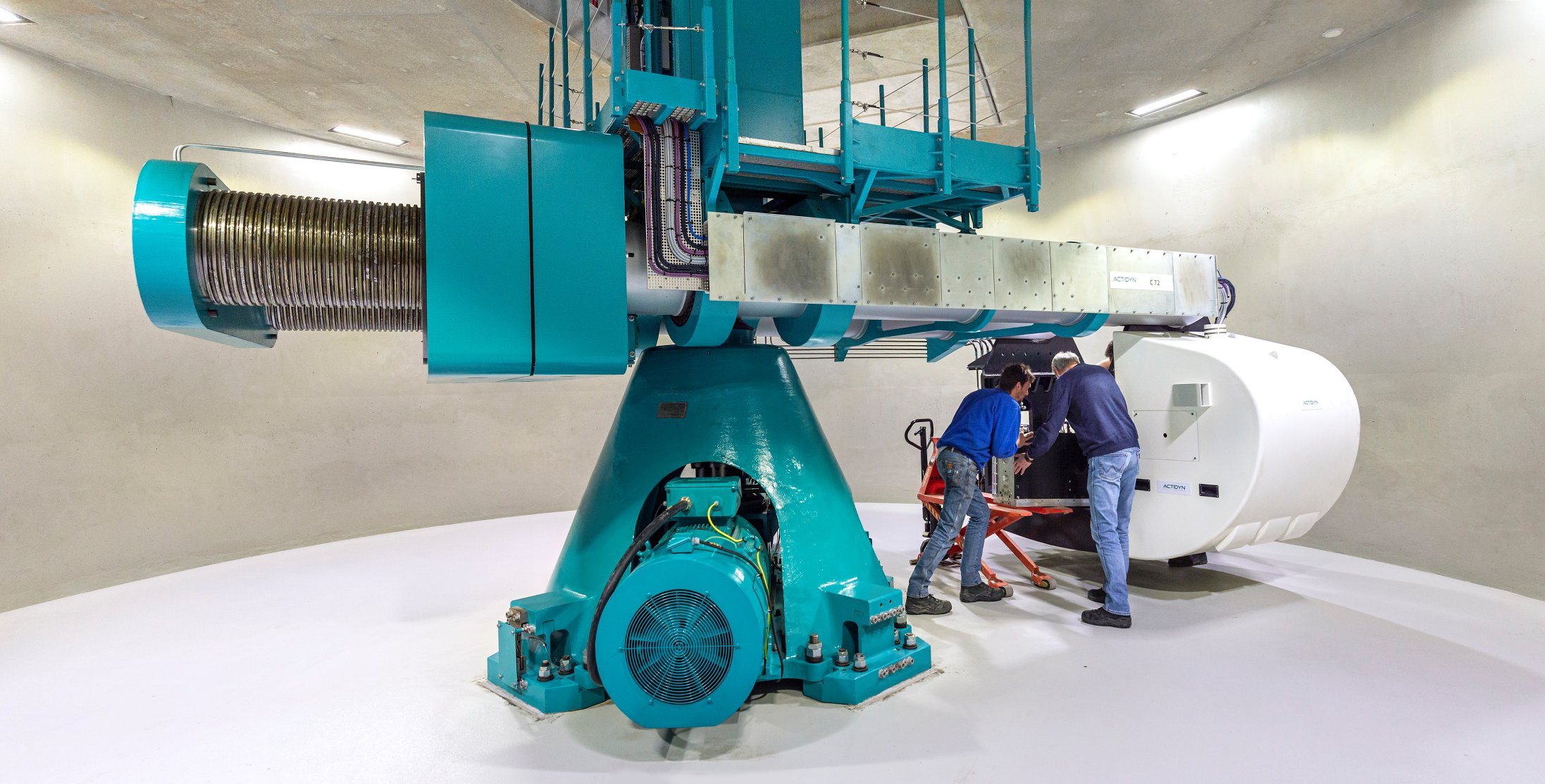
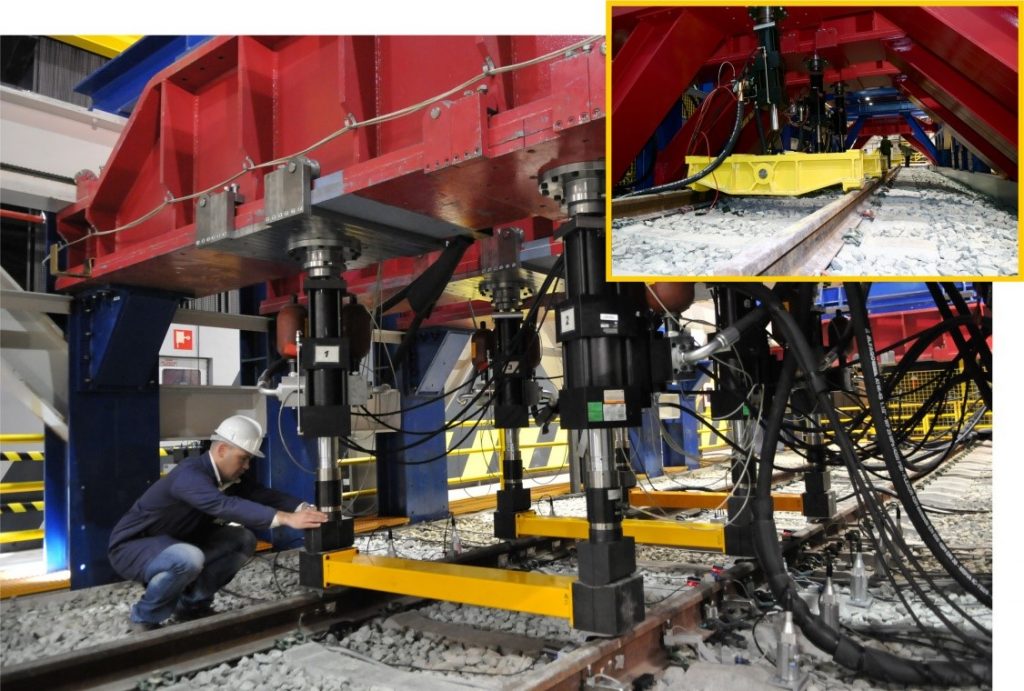
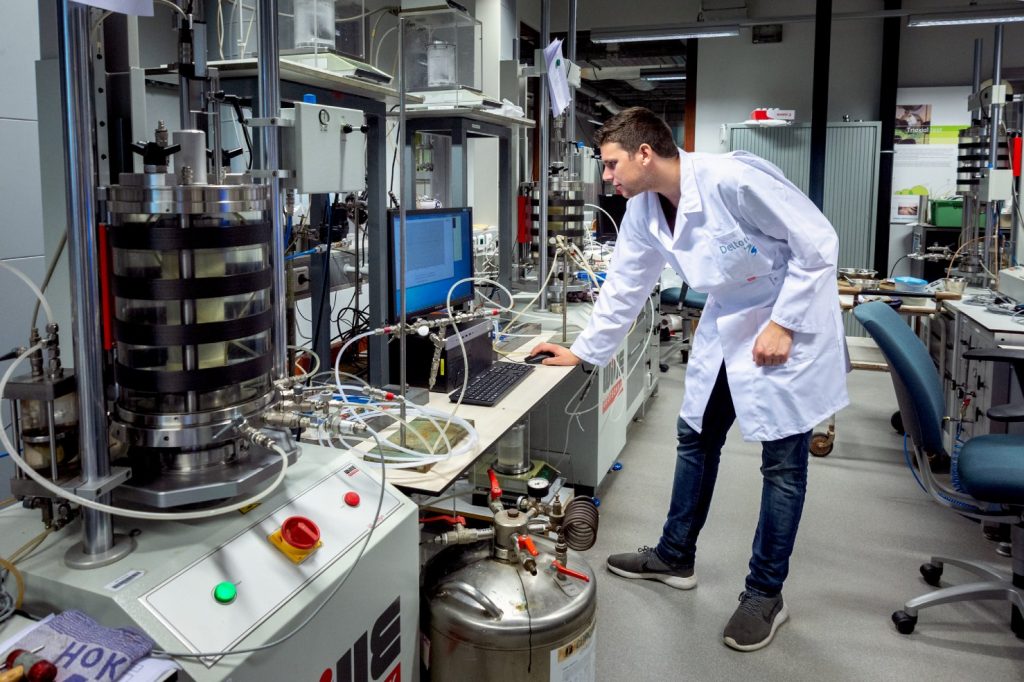
The members of the working group operate the most advanced state-of-the-art research infrastructure available today in the field of subsurface behaviour and interaction with structural elements and the environment. This research infrastructure consists of:
- Experimental facilities: larger installation in which experiments are performed, for example a geo-centrifuge, test pit or railway track simulator.
- Field test sites: location with differing soil conditions available for testing and instrumented constructions such as tunnels and foundations.
- Element test laboratories: mechanical and environmental testing of soil and rock samples.
Societal impact
The existing Critical Infrastructure (CI) of Europe in the water, energy, urban and transport sector is facing major challenges because of pressures such as climate change, extreme weather, geo-hazards, aging and increased usage in combination with pivotal changes in the CI to meet long-term societal goals (e.g. energy transition). Strengthening and enhancing CI resilience to meet present and future challenges and demands is therefore at the forefront of societal goals. To this end, excellent research and innovative solutions are needed, supported by the most advanced suite of physical research infrastructure that the members have to offer.
Research and innovation
The research infrastructure is used for research and innovation projects on the following topics:
- What is the impact of climate change (and concomitant risk increase of extreme weather events and geo-hazards), on the CI?
- How does the aging mechanism of soil and structure under various loading conditions (vibration, temperature, moisture, rainfall cycles, etc.) work and how does it affect the performance CI?
- What is the influence of very high-speed mobility (Hyperloop systems) on the wave propagation and soil deformation?
- What is the complex integral behaviour of a system of CI (for example multi modal transport hubs)?
- Application of new construction materials, for example: self-healing materials, bio-based materials, re-used/recycled materials, materials with cooling/heating effects and smart materials (including sensing).
- Implementation of new methodologies, for example: prefabricated retrofitting and nature-based solutions.
- New future proof CI design approaches using data and numerical modelling for increased flexibility, adaptability and scalability.
- Optimal solutions to adapt existing CI to new usage patterns, for example the impact of construction of new CI on the adjacent, existing CI.
Members
Contacts
Ton Peters +316 2244 6762 ton.peters@deltares.nl
Cihan Cengiz +316 1582 1849 Cihan.cengiz@deltares.nl