GEOLAB is a four year Horizon 2020 project (2021 – 2025) funded by the European Union H2020 Research and Innovation Programme.
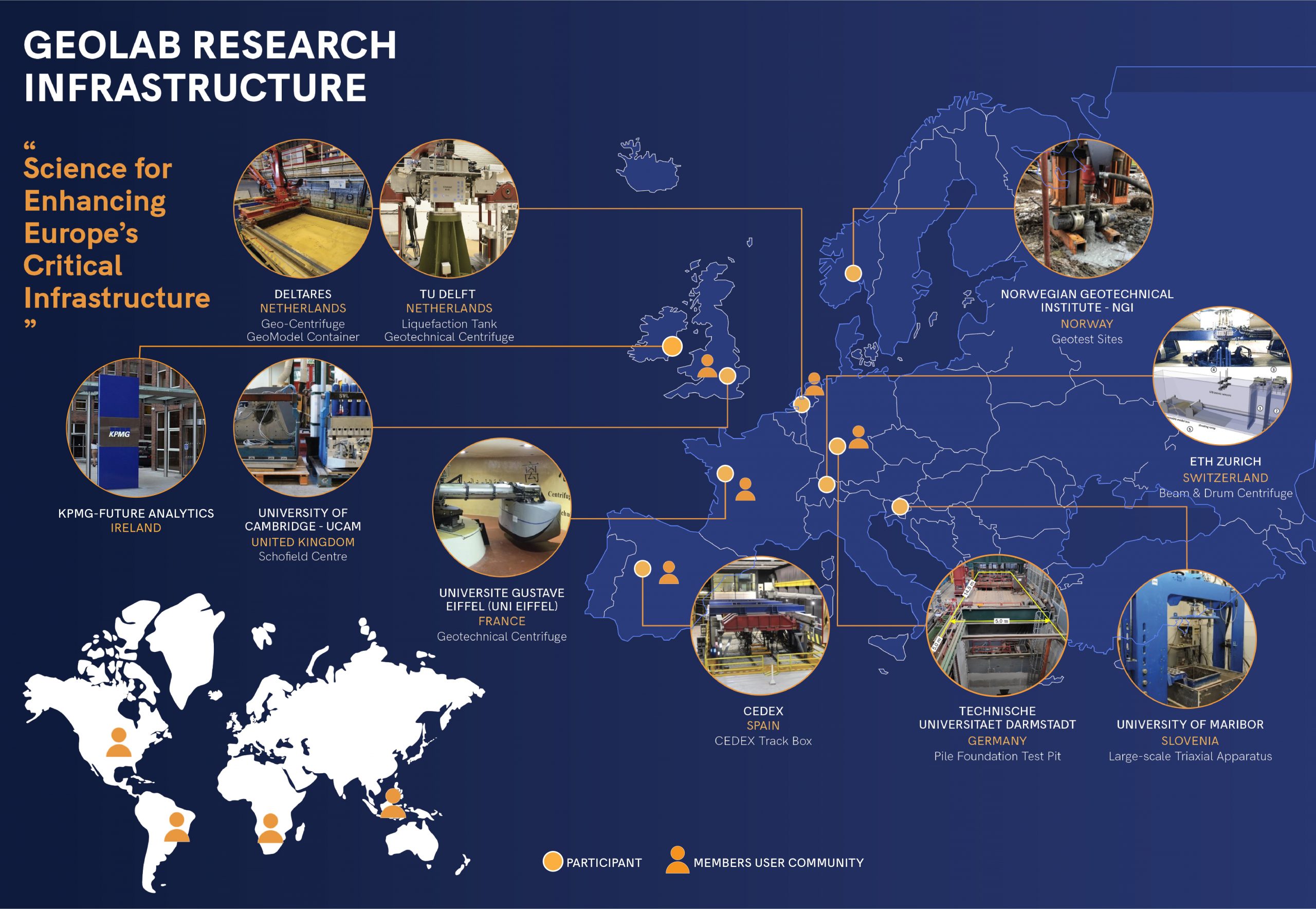
A total of 10 GEOLAB partners are offering access to 11 experimental installations. To view information on facilities available for access, please click on the facility.
Université Gustave Eiffel
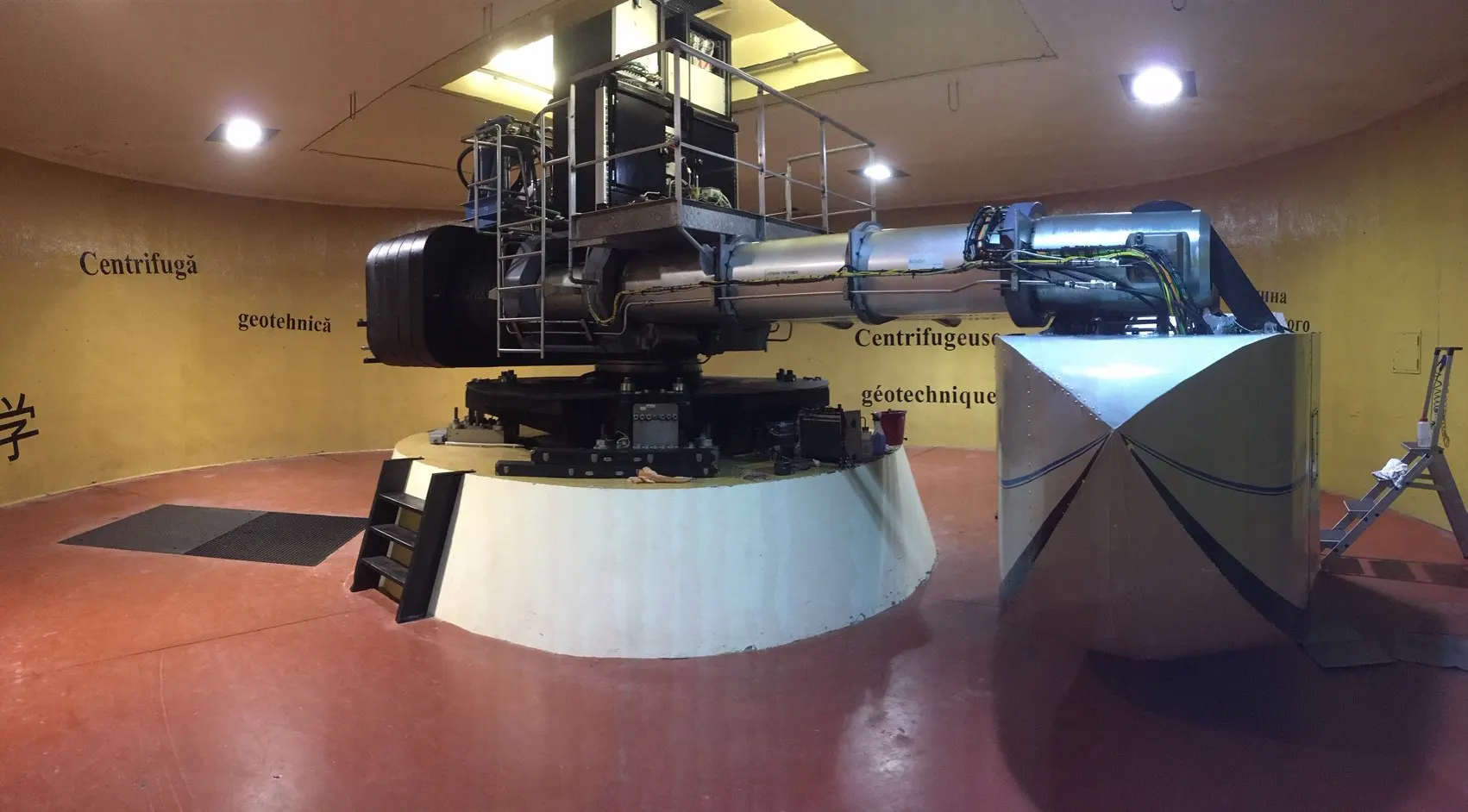
The Centrif-UGE is devoted to physical modelling in geotechnics.
By increasing the centrifuge forces applied on a small scale model of a geotechnical work, the stress field existing on full scale (prototype) geotechnical work is reproduced. The model is installed in the Centrif-UGE’s basket (~1.5m3 of volume).
CEDEX
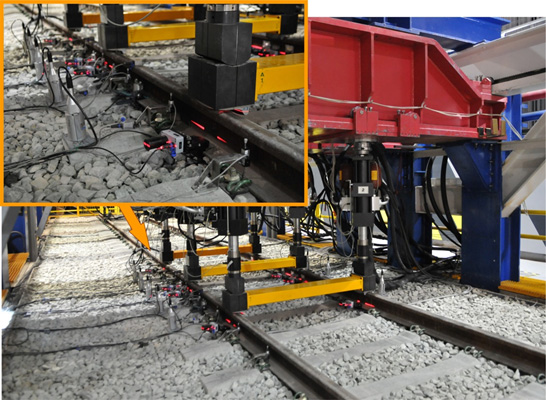
The main field of application for tests developed at CTB is Transport, specifically Railway tracks.
TU Delft
The Geotechnical Centrifuge at Delft University of Technology (TU Delft) is used as a physical modelling facility to investigate various geotechnical problems, such as slope stability, levees and embankments, soil-structure interaction under static and dynamic loading, tunnelling, excavations, as well shallow and deep (offshore) foundations.
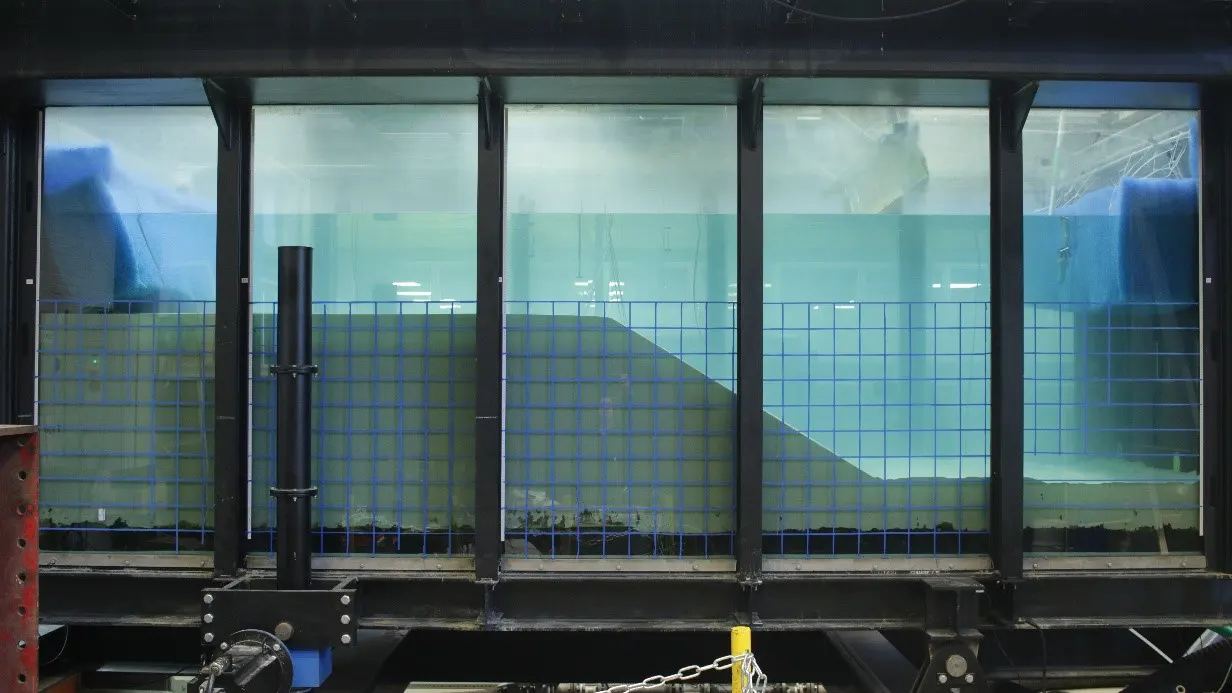
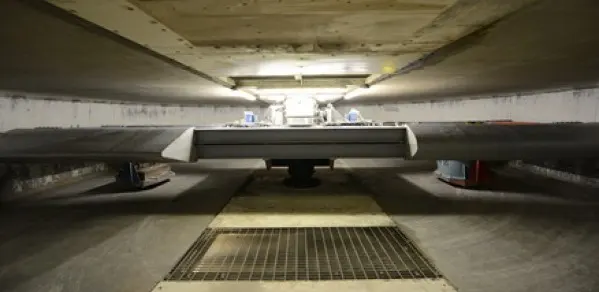
Liquefaction Tank consists of an instrumented inclinable container to investigate the susceptibility of loose sand seabed to flow slides triggered by sudden changes in the water level, fast sedimentation, scouring, or shock loads.
University of Cambridge
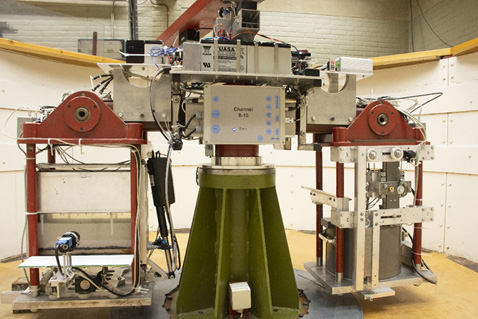
The Schofield Centre for Geotechnical Process and Construction Modelling hosts equipment to facilitate physical modelling of geotechnical systems such as e.g., shallow and piled foundations, open excavations and tunnels, engineered slopes, and retaining structures under complex loading including mechanical, seismic, hydraulic, and thermal actions.
Deltares
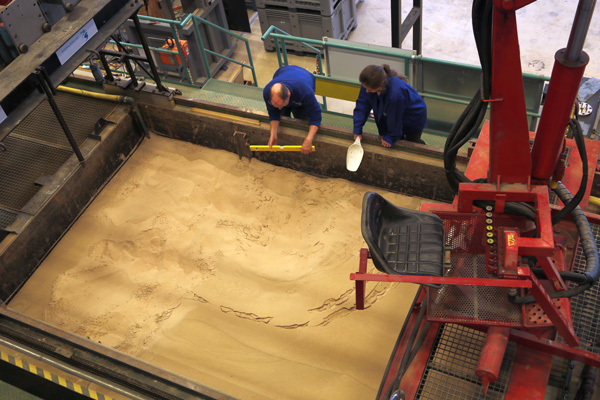
This facility compromises of a rigid model container with loading and measurement systems. It can be used for studying soil behaviour and the interaction with structures using accurately prepared sand and clay models.
The Geo-Centrifuge is used for testing physical scale models of geotechnical engineering systems such as i.e. natural and manmade slopes, earth retaining structures and foundations.
NGI
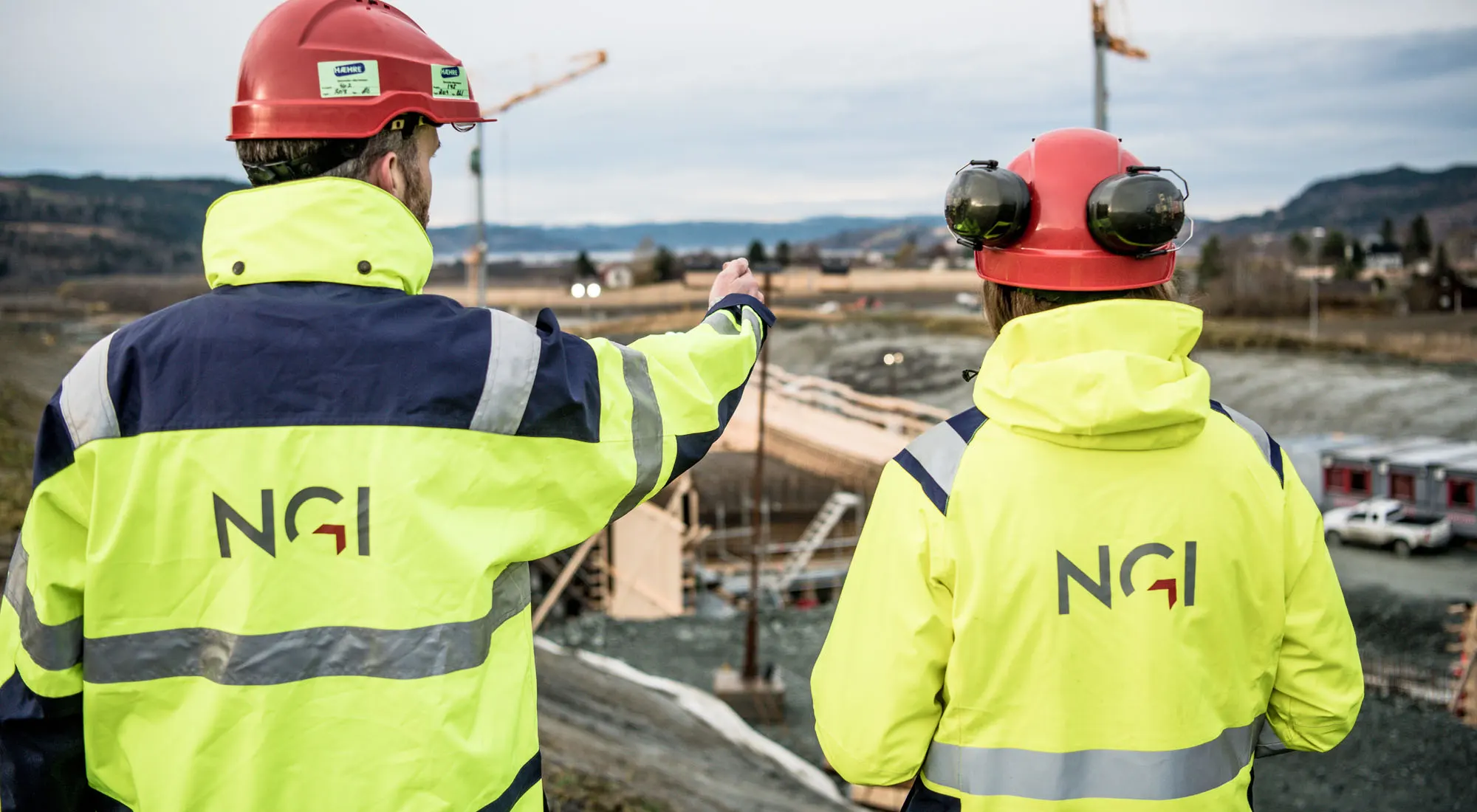
The GEOTEST SITES research infrastructure managed by the NGI is a national research facility for geotechnical research.
ETH Zürich
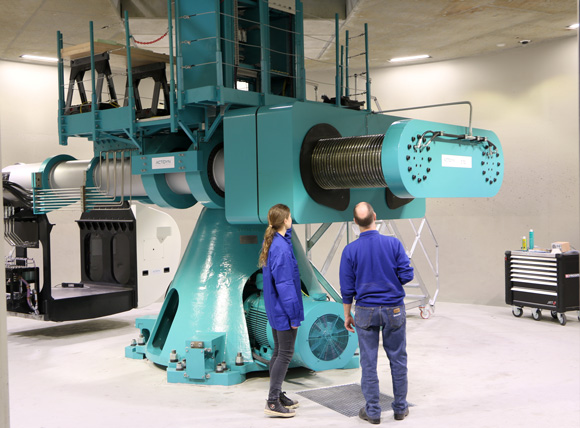
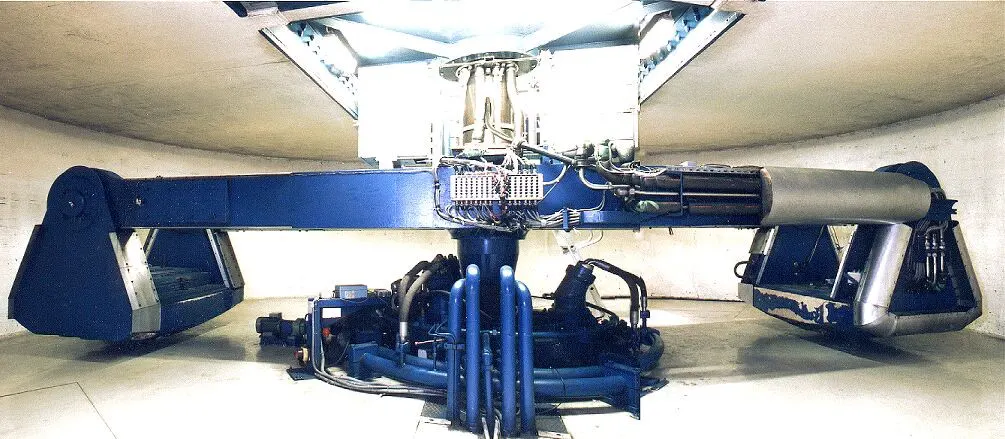
The Geotechnical Centrifuge Center (GCC) encompasses two geotechnical centrifuges, a 9 m diameter (500gton capacity) beam centrifuge and a 2.2 m diameter (440gton capacity) drum centrifuge, a cutting-edge earthquake simulator, a Miniaturized Tidal Generator (MTG), and a variety of actuators, tool platforms, and highly specialized devices and sensors.
TU Darmstadt
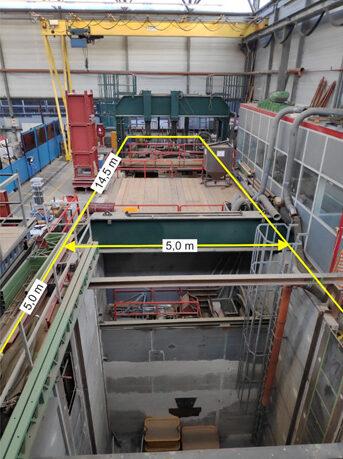
The TUDa Geotechnical Test Pit (GTP) is a testing facility mainly for studying soil-pile interaction, although in principle, investigation of other geotechnical problems is also possible. The facility allows for near- to full-scale testing (e.g., micropiles), as well as medium- to large-scale model testing.
University of Maribor
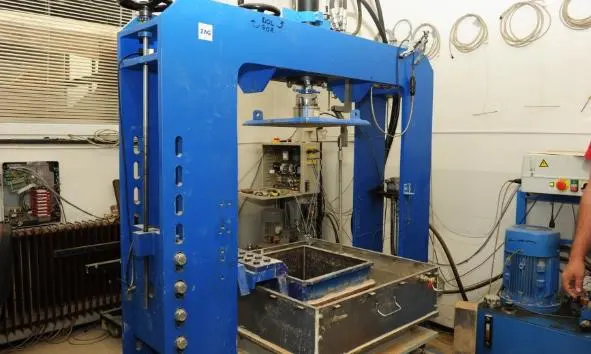
Traffic Load Simulator is a part of the large-scale triaxial apparatus at the Slovenian National Building and Civil Engineering Institute (ZAG). Its main purpose is to enable mechanical testing of various geomaterials and their interaction among themselves.