
Schofield Centre for Geotechnical Process and Construction Modelling
University of Cambridge, Cambridge / UK
Scope
The Schofield Centre for Geotechnical Process and Construction Modelling hosts equipment to facilitate physical modelling of geotechnical systems such as shallow and piled foundations, open excavations and tunnels, engineered slopes, and retaining structures under complex loading including mechanical, seismic, hydraulic, and thermal actions. Reduced scale models tested at increased gravity ensure stress similarity between homologous points in the model and in the prototype and permit to speed up all processes driven by transient consolidation associated with migration of pore water down gradients of pore water head. In a centrifuge model constructed at a linear scale of 1/N and tested at Ng consolidation time scales as 1/N2; if N=100, less than one hour of model time represent one year of prototype time, making it possible to simulate, e.g., weather cycles and seasonal variation of boundary conditions on a slope in feasible testing times.
Specifications
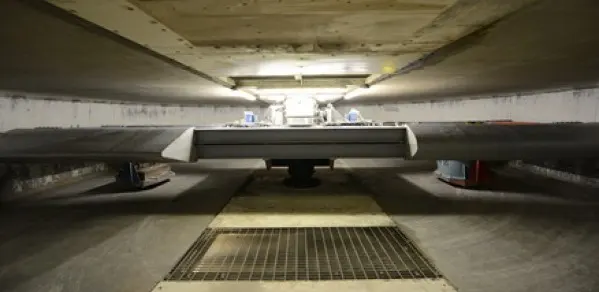
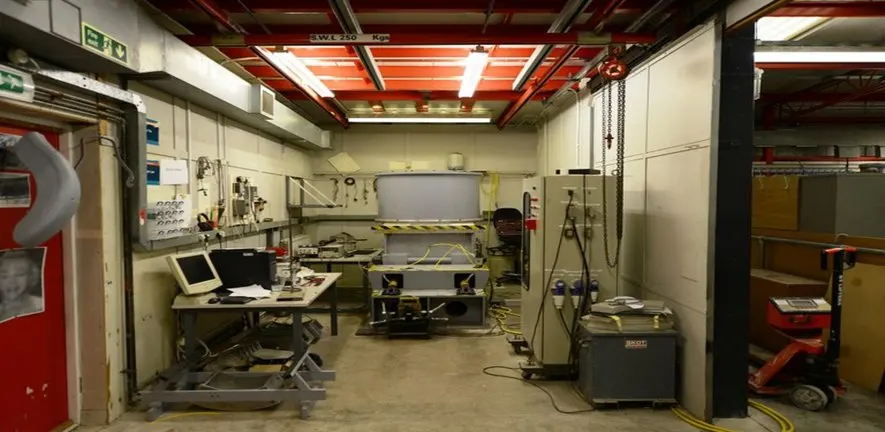
The Schofield Centre hosts two major facilities:
| Facility Details | |
|---|---|
| Name | Schofield Centre for Geotechnical Process and Construction Modelling |
| Short Name | Schofield Centre |
| Owner | University of Cambridge |
| Location | Cambridge / UK |
| Website | Click Here to Visit Site |
| Contact | Giulia Viggiani |
| Head of facility | Prof. Gopal Madabhushi |
| Construction year | Extended and rebuilt in 2002 |
Image Gallery
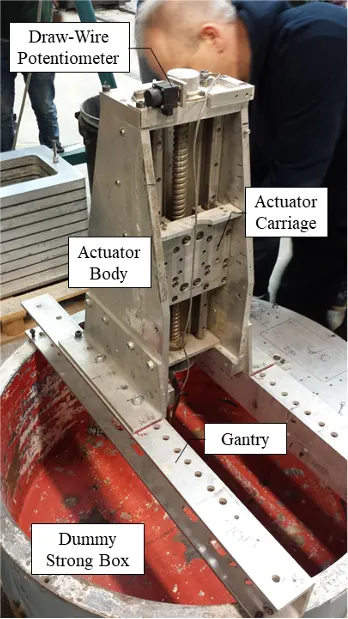
(A) Quasi-static actuators
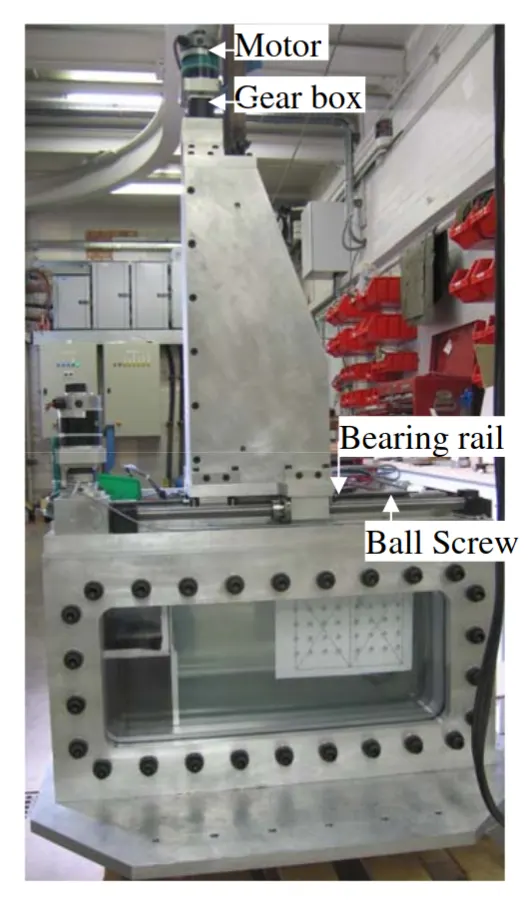
(B) Quasi-static actuators
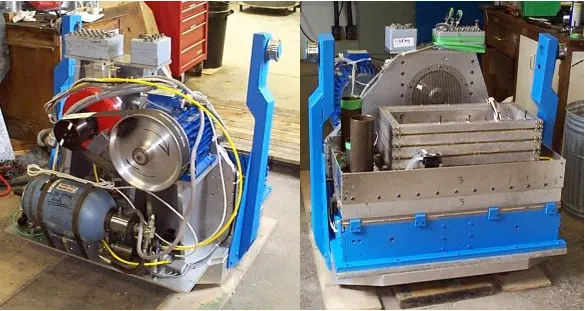
(a) Stored Angular Momentum (SAM) actuator
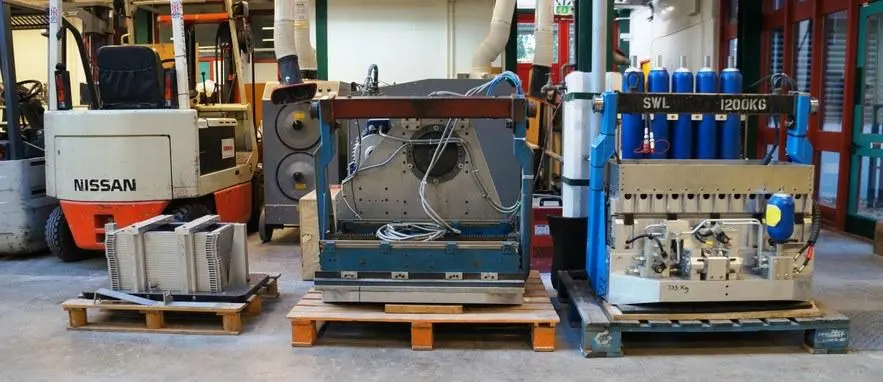
(b) Servo Hydraulic Earthquake Actuator
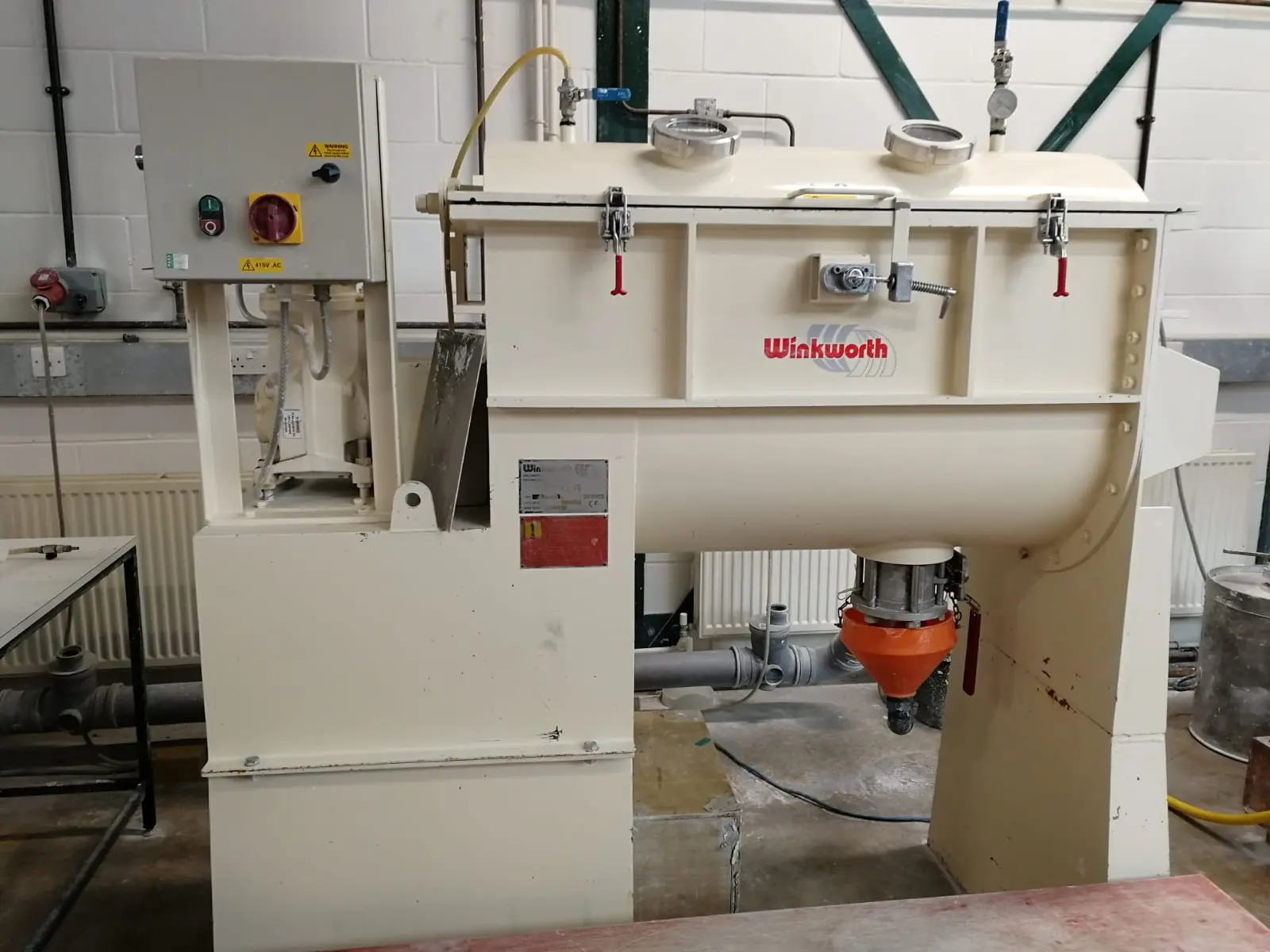
Clay mixer
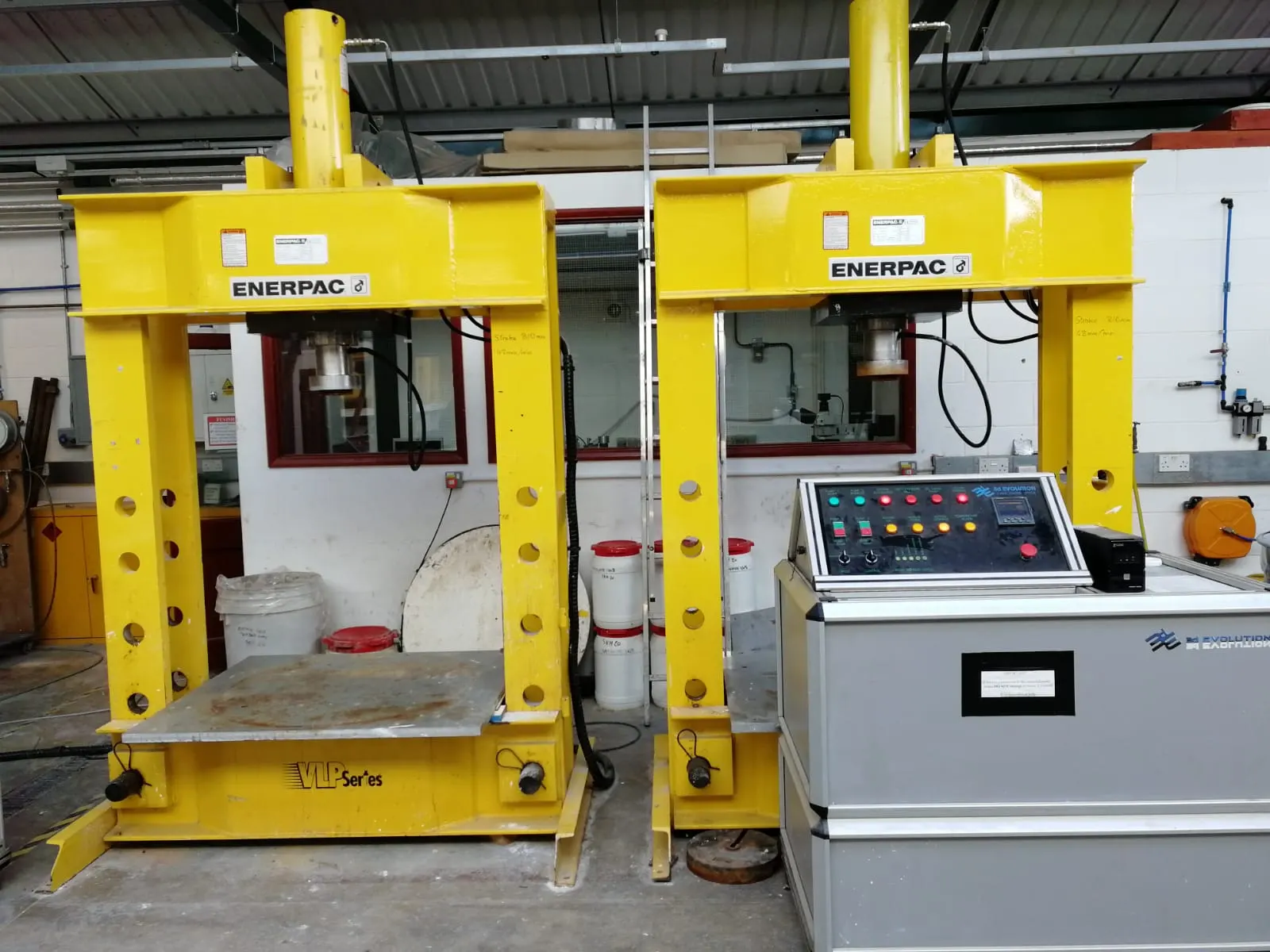
(a) Hydraulic Presses
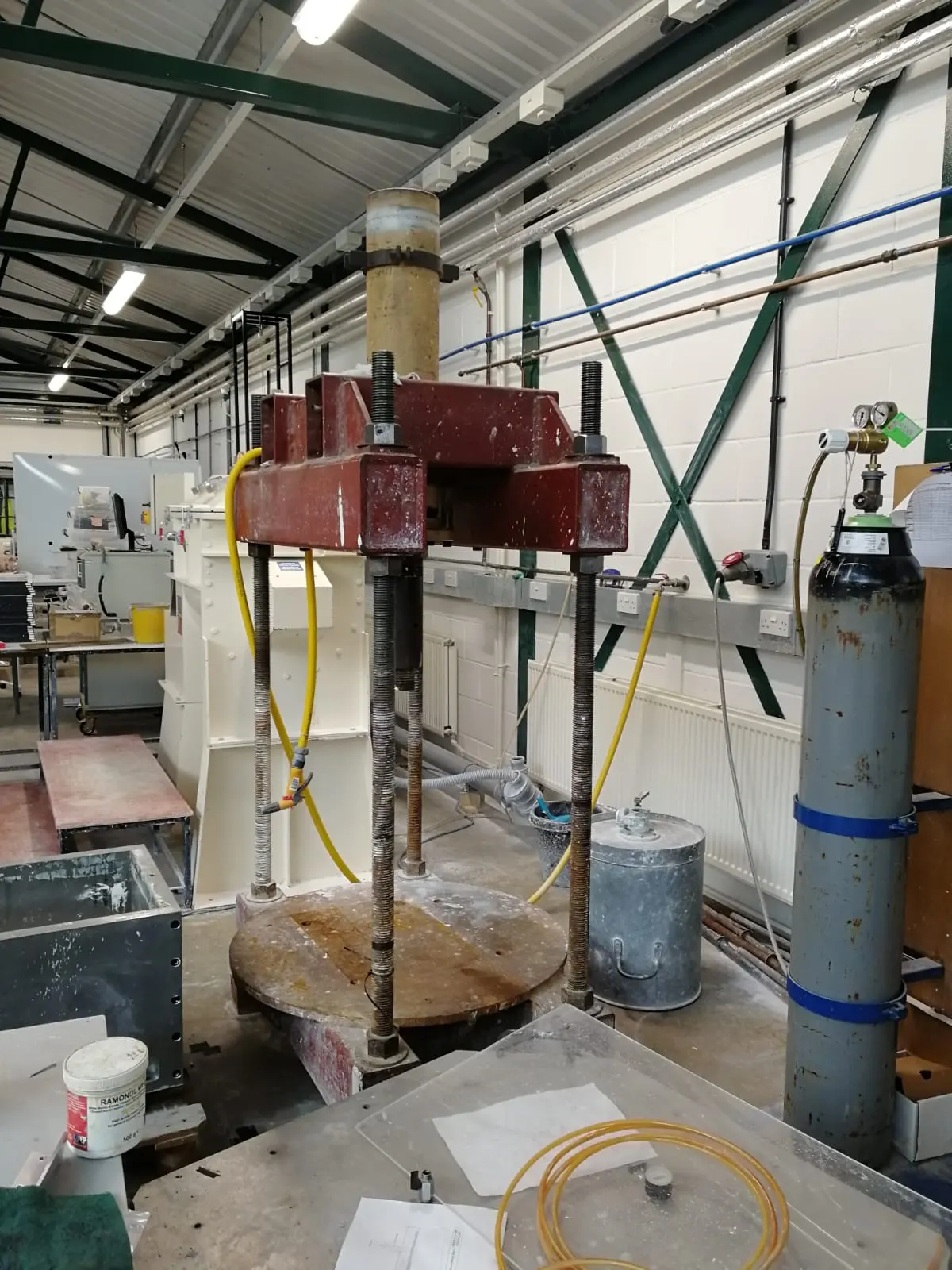
(b) Pneumatic Press
Both centrifuges have fibre-optic communications and are equipped with several systems to perform experiments.
For the Turner beam centrifuge, data acquisition is carried out using on-board computers. It is possible to log up to 60 channels in any given test at a sampling frequency of 10 kHz. Two high-speed cameras are available to obtain high resolution images for Particle Image Velocimetry:
- 3 megapixel MotionBlitz Cube2 500 fps GigE high-speed monochrome camera; link
- 12 megapixel DaHeng Imaging MARS-1231 32 fps USB 3.0 monochrome camera; link
Raspberry Pi imaging systems have also been developed for use on both centrifuges, see Eichhorn et al. (2020)